Unique Approach
Why Choose MPSG for Your Rhinoplasty
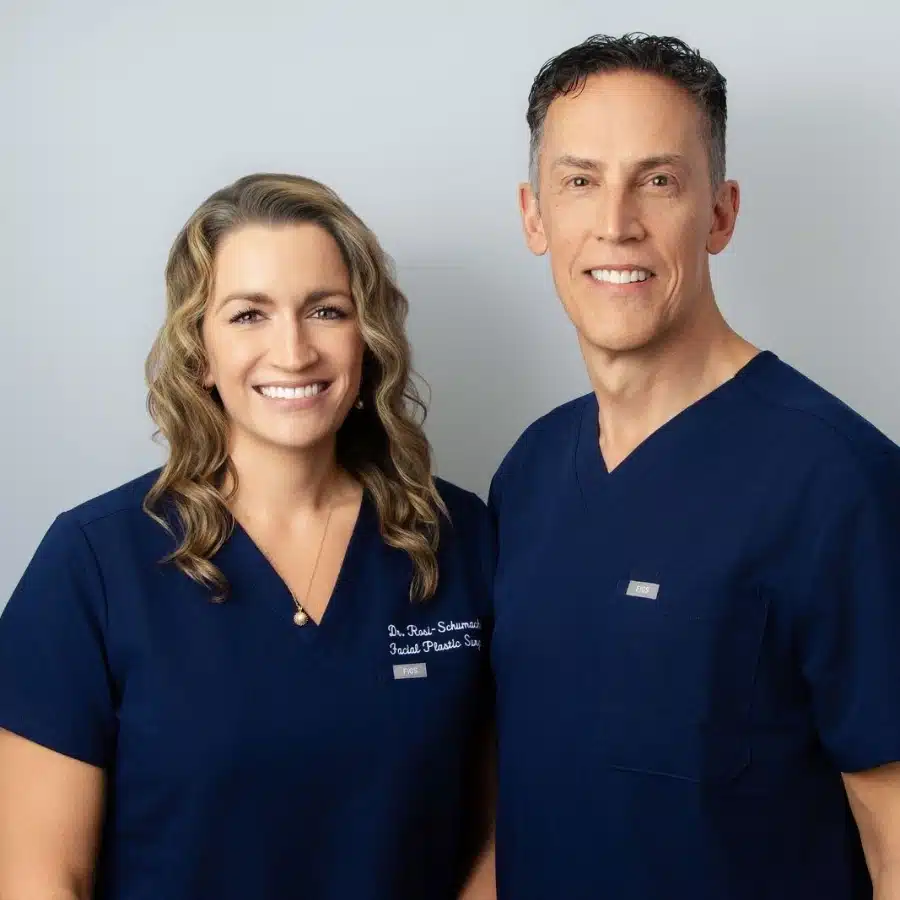
“When patients come in for a rhinoplasty consultation, I hand them a mirror and ask them to show me exactly what concerns them about their nose. Some patients are bothered by a hump, asymmetry, or the shape of the tip, while others are also having trouble breathing. One of the most important parts of the consultation is understanding whether the concern is cosmetic, functional, or a combination of both. By listening to what the patient sees and experiences, we can create a surgical plan that improves facial harmony while also addressing any underlying breathing concerns. My goal is to achieve a result that looks natural, fits the patient's face, and helps them feel more confident while preserving their identity.”
- Dr. John Aker
Dr. Rosi-Schumacher
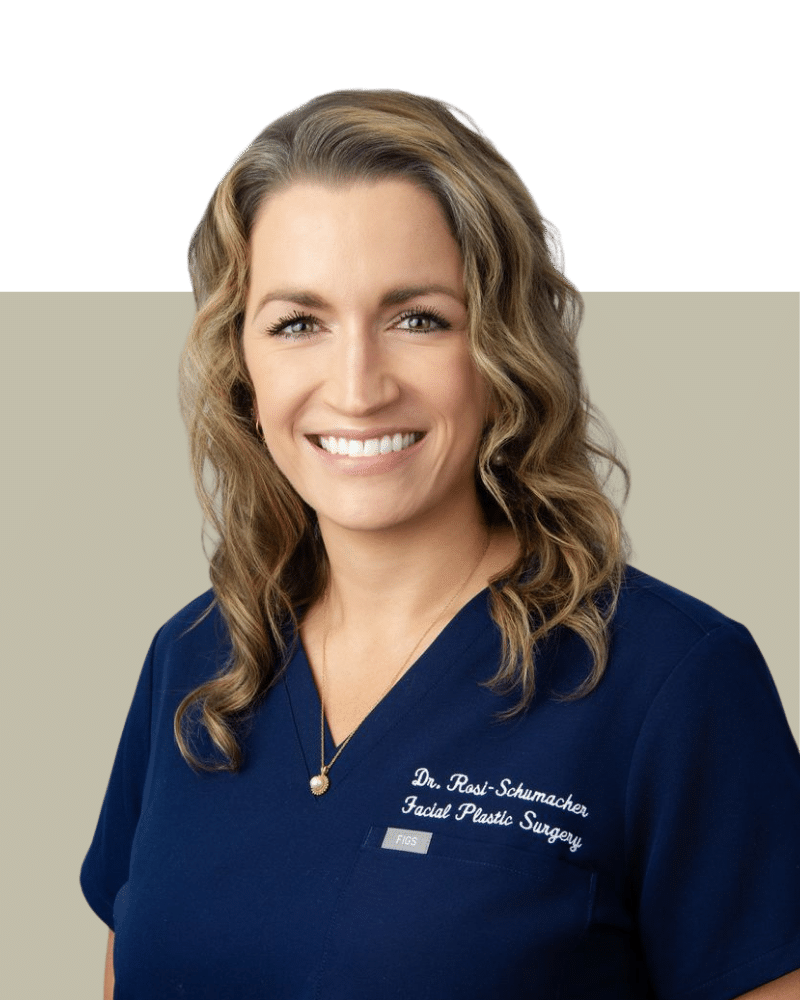
"Rhinoplasty is one of the most individualized procedures in facial plastic surgery. My approach begins with understanding not only what a patient would like to change, but how the nose functions and how its structure relates to the rest of the face. With my background in ear, nose, throat surgery and advanced fellowship training in facial plastic surgery, I focus on precise structural changes that improve both form and function while preserving the features that make each patient unique. My goal is a nose that looks natural, balanced, and harmonious with the face—never like a nose that has simply been operated on.”
— Dr. Rosi-Schumacher
Frequently Asked Questions
What is rhinoplasty?
Rhinoplasty, often called a "nose job," is a surgical procedure that reshapes the nose to improve its appearance, function, or both. Rhinoplasty can address concerns such as a nasal hump, a drooping or bulbous tip, asymmetry, a wide nasal bridge, crooked nose or breathing difficulties caused by structural issues within the nose. Every rhinoplasty is customized to complement the patient's unique facial features and aesthetic goals.
What happens during the surgery?
Rhinoplasty is performed using a small incision along columella (the tissue between the nostrils). While the incision is external, it generally heals very well with minimal scarring. A septoplasty is performed in the procedure and your own septal cartilage is used to make cartilage grafts that will be used to support the nasal structure and to make cosmetic changes in the nasal shape. Depending on your needs, the procedure may include osteotomies or careful fracturing and resetting of the nasal bones to straighten or narrow the nose.
Am I a good candidate for rhinoplasty?
You may be a good candidate for rhinoplasty if you are bothered by the size, shape, or proportion of your nose, or if you experience difficulty breathing through your nose. Ideal candidates are in good overall health, do not smoke (or are willing to stop during the healing process), and have realistic expectations about the outcome of surgery. A consultation can help determine whether rhinoplasty is right for you.
What is recovery like after rhinoplasty?
Most patients can return to work, school, or other non-strenuous activities within 1–2 weeks after surgery. Bruising and swelling around the eyes typically improve significantly during the first two weeks. While patients often notice changes right away, swelling continues to resolve gradually over several months, and final results may take up to a year or longer to fully develop.
Will my rhinoplasty look natural?
A well-performed rhinoplasty should enhance facial harmony while preserving a natural appearance. The goal is not to create a "one-size-fits-all" nose, but rather to refine the nose in a way that complements your individual facial features. Surgical planning is highly personalized to achieve balanced, natural-looking results.
Will rhinoplasty affect my breathing?
Rhinoplasty can often improve nasal breathing when structural issues such as a deviated septum, nasal valve collapse, or other airway problems are addressed during surgery. Functional improvements can frequently be combined with cosmetic enhancements in a single procedure. During your consultation, your surgeon will evaluate your nasal anatomy and discuss any breathing concerns you may have.
What is the recovery like?
You will have a cast over your nose that must be kept dry. It is recommended to use ice packs over the face for bruising and swelling. Bruising and swelling will peak over days 1-3 after surgery and improve over time. Typically patients take 7-10 days off of work or school. At 7 days the cast is removed at your post-op appointment. In 4 weeks you can resume strenuous physical activities. Most of the swelling will be resolved by 3 months, while the tip will take longer to refine. It will take 12+ months of healing before final results are fully visible


Combination Procedures
Rhinoplasty Before & After Results
Explore rhinoplasty before-and-after photos showing individualized changes in dorsal humps, nasal width, tip shape, projection, symmetry, and overall balance with surrounding facial features.
Patient A
Actual Patient | Carmel, IN
Patient B
Actual Patient | Carmel, IN
Patient C
Actual Patient | Carmel, IN
Questions & Answers with Dr. Aker
How long does swelling last after rhinoplasty?
Swelling after rhinoplasty is normal and gradually improves throughout the healing process. Most patients notice significant improvement within the first few weeks after nose surgery, allowing them to return to normal daily activities relatively quickly. However, subtle swelling, especially around the nasal tip, can continue to refine over several months, with final rhinoplasty results developing over 6 to 12 months. Following your surgeon’s post-operative instructions can help support proper healing and optimal results.
When will I see final rhinoplasty results?
Most patients begin to see noticeable rhinoplasty results within the first few weeks after surgery as swelling improves. However, the nose continues to refine and settle over time, with final rhinoplasty results typically developing over 6 to 12 months. Subtle changes, especially in the nasal tip, can continue as healing progresses. Patience is important during recovery, as the final nose shape becomes more defined with time.
What are the dangers and risks of rhinoplasty surgery?
Any surgery carries a small risk related to anesthesia, a small risk of excessive bleeding, and a tiny risk of wound infection. The most common risk in rhinoplasty surgery is a change in nasal airflow. This risk will be addressed in detail during your initial consultation with the plastic surgeon.
What if I get a cold after this cosmetic procedure? Will I be able to blow my nose?
We recommend that for the first week of rhinoplasty recovery, you try not to blow your nose.
Will my nose still look natural after rhinoplasty?
Yes. A well-performed rhinoplasty is designed to enhance the appearance of the nose while maintaining natural facial balance and harmony. The goal of nose surgery is not to create an overdone or artificial look, but rather to refine the nose in a way that complements your unique facial features. During your rhinoplasty consultation, your surgeon will discuss your goals and create a personalized surgical plan focused on achieving natural-looking results that fit your overall appearance.
What is the recovery timeline after rhinoplasty?
Most patients return to work, school, and light daily activities within 1 to 2 weeks after rhinoplasty surgery. Bruising and swelling are most noticeable during the first week and gradually improve over time. While early healing occurs relatively quickly, the nose continues to refine and settle over several months as swelling fully resolves. Our team provides detailed rhinoplasty recovery instructions and ongoing support to help ensure a smooth healing process and optimal surgical results.
Can rhinoplasty improve breathing problems?
Yes. Rhinoplasty can often improve breathing difficulties caused by structural concerns inside the nose, such as a deviated septum, nasal valve collapse, or other airway obstructions. Functional rhinoplasty combines cosmetic enhancement with correction of breathing issues, allowing patients to improve both the appearance and function of the nose during the same procedure. During your consultation, your surgeon will evaluate your nasal structure, breathing concerns, and aesthetic goals to create a personalized treatment plan.
The Specifics
Rhinoplasty Procedure Details
The Goal of Rhinoplasty
A prominent nasal bridge or a nose that appears disproportionate in relation to the rest of the facial features can significantly impact an individual’s ability to conceal such characteristics, given it’s central face location. Rhinoplasty offers a viable solution for those seeking a lasting improvement in their appearance.
Good Rhinoplasty Candidates
People who are looking to improve the appearance of their noses are good candidates for a rhinoplasty procedure. Anyone suffering from breathing issues due to obstruction in the nasal passage is also an ideal candidate for the procedure.
The structures of the nose experience natural changes as a result of the aging process. If patients come in for rhinoplasty while these natural changes are still occurring, it can negatively affect results. Thus, men 16 years or older and women 15 years or older are good rhinoplasty candidates.
Rhinoplasty Surgery Process
The rhinoplasty procedure usually takes around 1 to 3 hours. The procedure starts by administering anesthesia (either general anesthesia or a combination of local anesthesia and sedation).
Once the anesthesia takes effect, an incision will be made in the target area. There are two general incision options. One is an open technique, and the other is a closed technique.
The open technique creates a small incision across your columella-the external tissue segment between the nostrils- whereas the closed technique entails making small incisions within the nostrils themselves, thus minimizing visible post-operative scarring.
After the incisions have been created, the surgeon modifies the bone, cartilage, and/or soft tissue to sculpt the nose into the desired shape. Lastly, the incisions are closed with sutures to complete the procedure.
Rhinoplasty Recovery and Healing
After the procedure, the surgeon may place gauze in your nostrils to hold your nose. We make sure to use the proper recovery aids in order to preserve the quality of your results.
Our surgeon will inform you about how to properly take care of your nose during recovery. There will be a degree of temporary swelling, bruising, and soreness. You will be given prescriptions to make the healing process comfortable for you.
Remember that your nose structure will be weakened for a time. Because of this, it is important to take a vacation and rest during the recovery period. You need to refrain from doing any strenuous activities until the surgeon allows it.
The Cost of Rhinoplasty
The cost of a Rhinoplasty in Indianapolis and Carmel will depend on several factors. The price can be affected by body type, type of technique performed, surgical complications, and even allergies.
Rhinoplasty pricing typically ranges from $8,075–$10,000 depending on surgical complexity, anatomy, and individualized treatment planning. A consultation is required to provide a customized surgical quote.
Get Started with MPSG
Discuss Your Goals with Our Rhinoplasty Surgeons at Our Carmel, Indiana Location
Meet with Dr. John Aker at My Plastic Surgery Group's Carmel office for a personalized evaluation of your nasal anatomy, appearance, and breathing concerns. Patients visit us from Indianapolis, Westfield, Fishers, Zionsville, and across Central Indiana.