
Tummy Tuck
Tummy Tuck Surgery in Indianapolis & Carmel
Personalized abdominal contouring designed to improve excess skin, abdominal laxity, and core contour following pregnancy, weight loss, or changes in skin elasticity.
At My Plastic Surgery Group, our plastic surgeons perform tummy tuck surgery tailored to each patient’s anatomy and aesthetic goals. A tummy tuck, also known as abdominoplasty, is designed to remove excess abdominal skin and fullness while improving abdominal contour and tightening stretched or separated abdominal muscles.
Many patients choose tummy tuck surgery following pregnancy, significant weight fluctuations, or natural changes in skin elasticity when diet and exercise alone are unable to restore abdominal contour. Tummy tuck surgery can help create a flatter, smoother, and more defined midsection while improving overall body balance and proportion.
Our surgeons focus on natural looking body contouring results, thoughtful incision placement, and individualized treatment planning designed to align with each patient’s goals and lifestyle.
Standard tummy tuck pricing typically ranges from $11,000–$15,000 depending on surgical complexity, anatomy, and individualized treatment planning. A consultation is required to provide a customized surgical quote.
Tummy Tuck Procedure Information
An abdominoplasty is a plastic surgery technique commonly referred to as tummy tuck surgery. During an abdominoplasty, skin and tummy fat are removed from the mid and lower abdomen as upper abdominal skin is pulled downward. The muscular wall is repaired by pulling the abdominal muscles tightly back together, thereby narrowing the waistline and strengthening the abdominal wall. As the upper skin is pulled taut downward, a new opening is created for the navel which has been preserved throughout this procedure. Oftentimes, it is necessary to place drains in the abdominal cavity which will stay in place throughout a portion of the tummy tuck recovery period. Recently, however, our surgeons have perfected a new technique that doesn’t require drains at all. Whether or not you are a candidate for our “drainless” abdominoplasty (tummy tuck) will be decided by the physician on an individual basis.
Is tummy tuck surgery right for you? Ultimately, only you can decide that. However, there are some factors that might help our plastic surgeons decide if tummy tuck surgery, or abdominoplasty, is a safe choice for you. Most of this information will be discussed during your initial consultation with us, but it is important for you to be in general good health, be within 20 pounds of your target weight, and be completely free of nicotine products. If you are a smoker, we can discuss helpful tips to “kick the habit,” but we will not consider you a candidate for this surgery if you test positive for nicotine prior to your date of surgery.
Tummy tuck, or abdominoplasty, recovery is also something you will want to consider when making your decision. You should expect to stay in the hospital for at least 23 hours following tummy tuck surgery. It is unrealistic to expect you will be able to return to work any sooner than one week after your surgery. Ideally, you would take two weeks to rest and recover. Because the skin is pulled so tight, your posture will be affected the first few days following surgery. You may walk slightly bent over for 7-10 days but will notice with each passing day that you are able to stand up a bit straighter than the day before. A low-grade fever is not uncommon in the first few days after surgery and usually improves with deep breathing exercises. Any drains you might have will be concealed under your clothes and will be removed in our office 1-2 weeks after surgery. There will be daily progress, but you must be patient! Although results are impressive early on, they will continue to improve as swelling subsides over 12-16 weeks. After many years of performing this procedure, we know that each person recovers slightly differently and at different rates of speed. Tummy tuck or abdominoplasty results usually last for years if your weight remains stable. We are committed to treating each patient as an individual and will discuss those individual concerns regarding your recovery during your consultation.
We invite and encourage you to view our before and after tummy tuck photos.
Who is a Candidate
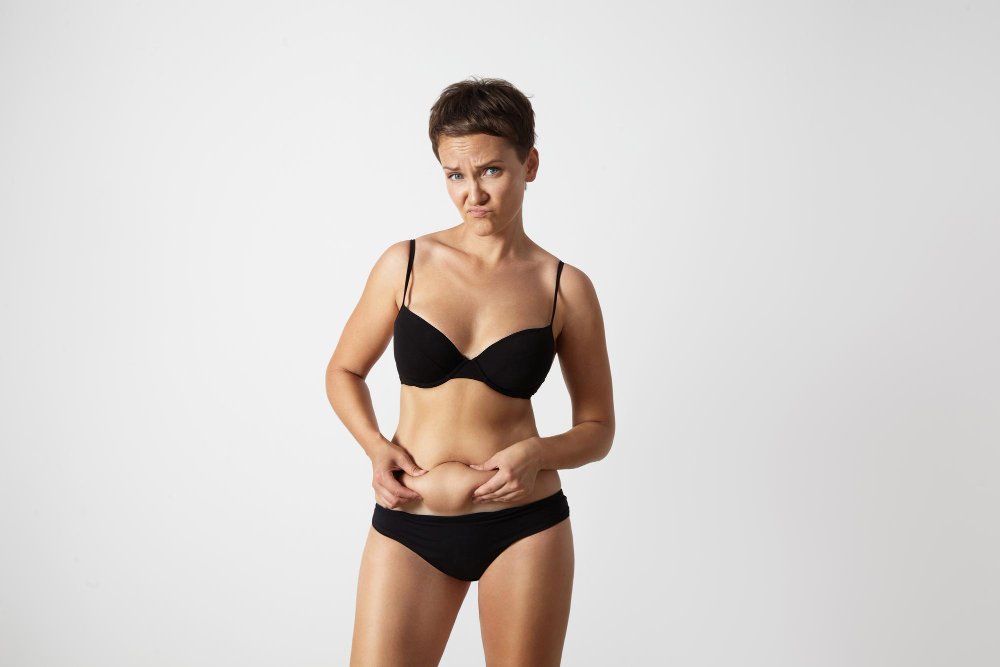
Anyone who desires an improvement in the contour of their abdomen, and who is in reasonably good health is a candidate. Disease processes by themselves rarely contraindicate abdominoplasty. However, uncontrolled diabetes, hypertension, or other chronic illnesses may delay our decision to proceed until those illnesses are adequately treated. Those with a body mass index of greater than 35 should hesitate to undergo this procedure before they lose significant weight. Greater than 40 BMI suggests dangerous or morbid obesity. Those patients should be under the care of a weight loss physician or bariatrician. A BMI of 25 is a fair body mass index to aim for if 1 wants the best result obtainable. To check your body mass index, look it up on Google. There are charts available. Online BMI calculators are plentiful. There you enter your height and weight to obtain this information.
Decision
The decision to have elective surgery is, in 1 major way, more difficult than a decision to have surgery for an illness. Elective surgery is not immediately necessary to save a life or limb. It is more of a long-term quality-of-life issue. Therefore, many of us will feel the weight of the decision in a special way; are we asking for trouble? Are we tempting God? There are many and varied ways that patients get through this decision. It helps greatly to talk with those whom you trust; loved ones, close friends, your plastic surgeon, and your family doctor. Not all will come off on the side of proceeding with the surgery, but all are worth listening to. Opinions from acquaintances, coworkers, or those with an agenda other than your well-being are not worth considering on the other hand. The decision process will be lonely unless you let those who truly care for you participate by being heard. Made in this way, your plastic surgeon has never seen a wrong decision. Ultimately, the decision is yours, of course.
Preparation
A tummy tuck, also known as abdominoplasty, is not just a physical transformation but a journey that encompasses both mind and body. It’s a step towards not only enhancing your appearance but boosting your self-esteem and comfort in your skin. To ensure you’re fully prepared for this life-changing procedure, it’s important to take comprehensive steps, both mentally and physically. Here’s how you can prepare:
Mental Preparation: Cultivating a Positive Mindset
- Understand the Process: Familiarize yourself with the tummy tuck procedure, potential outcomes, and recovery time. Knowing what to expect can significantly ease any anxieties.
- Set Realistic Expectations: While a tummy tuck can significantly improve your abdominal area’s appearance, having realistic expectations about the outcomes is crucial for satisfaction.
- Support System: Surround yourself with supportive family members or friends who understand your reasons for undergoing this surgery and can provide emotional support.
- Mental Health: Consider speaking with a counselor or therapist if you have any fears or anxieties. Mental readiness is key to a smooth recovery.
Physical Preparation: Ensuring Your Body is Ready
- Medical Evaluation: Undergo a full medical check-up to ensure you’re fit for surgery. Disclose your medical history, medications, and any supplements you’re taking to your surgeon.
- Nutrition: Adopt a well-balanced diet rich in vitamins and minerals to support healing. Avoid crash diets; instead, focus on wholesome foods that can help reduce post-surgery recovery time.
- Smoking and Alcohol: If you smoke or consume alcohol, it’s essential to quit at least four to six weeks before and after surgery, as these can interfere with your healing process.
- Medications: Discuss any medications you’re taking with your surgeon, as some may need to be temporarily stopped before the procedure.
- Physical Fitness: Being in good physical shape can aid in a quicker recovery. Engage in regular, moderate exercise leading up to your surgery, but avoid strenuous workouts a week prior.
- Preparation at Home: Prepare your home for your return from the hospital. Create a comfortable, restful space where everything you might need is easily accessible. Consider meal prep and other arrangements to minimize stress during recovery.
- Follow Pre-Surgery Instructions: Your surgeon will provide specific instructions tailored to your procedure. These may include fasting guidelines and what to bring on the day of your surgery.
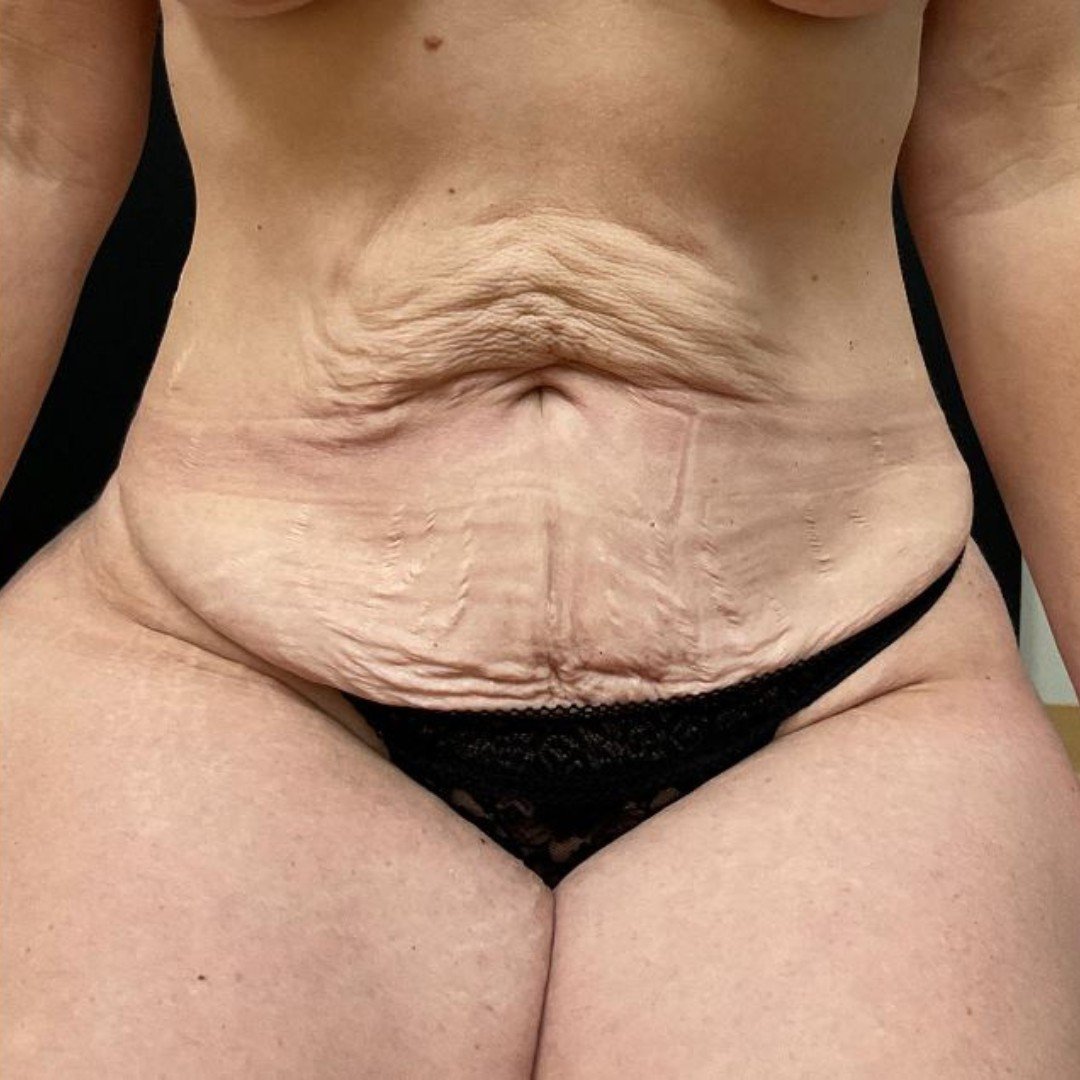
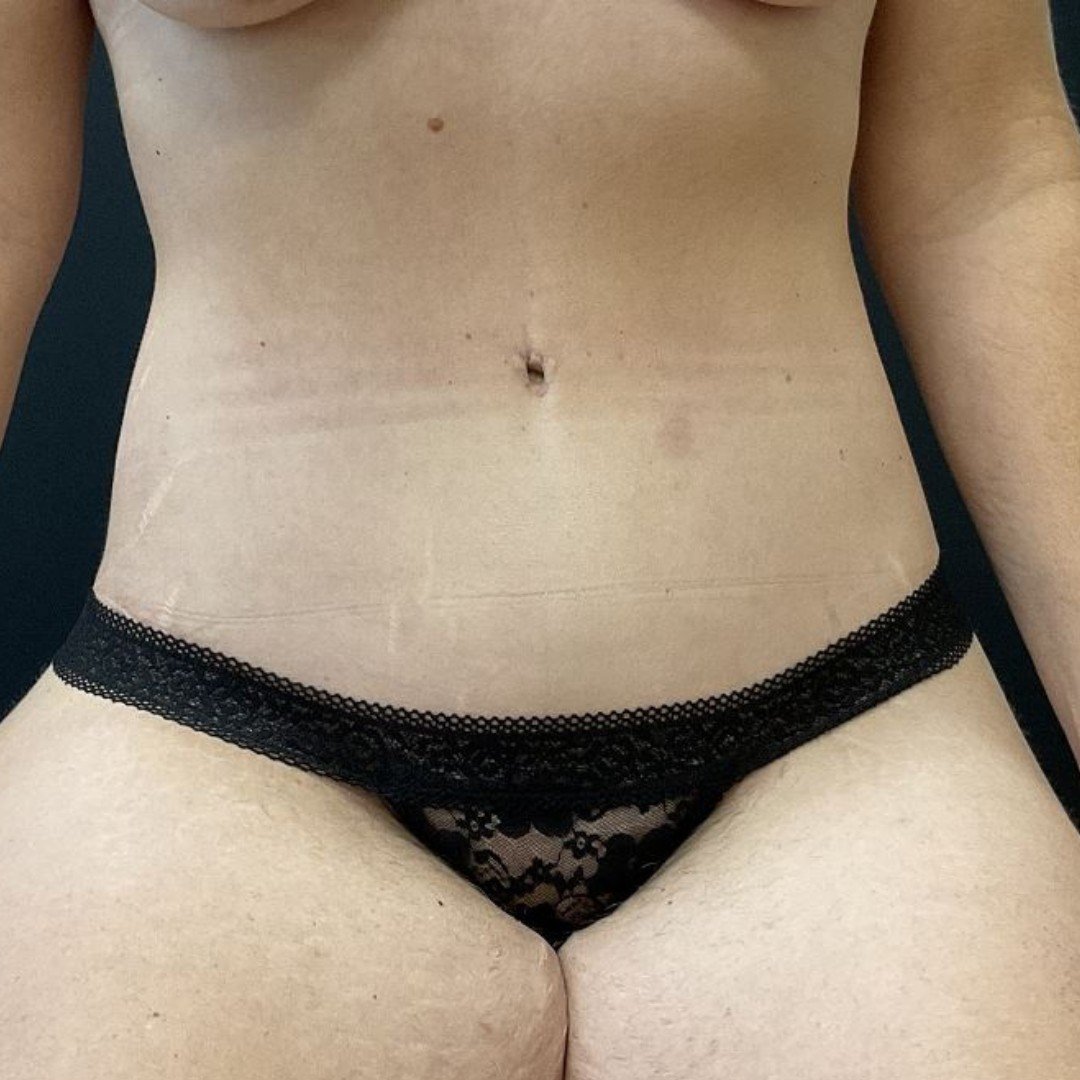
Before & After Tummy Tuck
Real Results
View before-and-after pictures of real patients of My Plastic Surgery Group.
Tummy Tuck Operation
The operating room is one of the safest places on the plant. Where else do find yourself surrounded by at least 4 or 5 professionals who’s occupation is to keep you safe? The culture in American operating rooms is one of a team. No longer is the surgeon absolute master. Every healthcare professional has a right and duty to speak up to, comment, or to question. In this way, the patient has at least 8 pairs of eyes and 4 brains with them at all times. While the room feels cold, serious attention is paid to keeping the patient warm. Circulating air blankets, warm IV fluid and body temperature monitoring allow warm tissues to function as they should. Warming the skin prevents infection in a more profound way than any known antibiotic. The initial anesthetic goes in via an intravenous line and sleep follows within seconds. While the patient is asleep, a soft plastic tube is inserted from the mouth into the throat to keep the patient’s airway open to the flow of oxygen. Safety monitoring equipment is watched by the anesthesiologist and nurses continually. The incision across the bottom of the abdomen is made down to, but not through the muscle. The skin and fat are elevated off the muscle towards the navel. The navel is left in place by cutting skin around it. Finally, the skin and fat are lifted up all the way to the bottom of the ribs. At this point, the separation of the rectus muscles that happened during pregnancy is repaired. This reduces the ability of the abdominal contents to protrude out from the lower abdomen. Long, continuous sutures synch the waist in like an internal corset. Uncomfortable for the 1st few days, this is the part of a tummy tuck patient’s appreciate most. It helps to return the abdomen to a pre-baby or pre-overweight look. The patient is then placed in a flexed position so that a maximal amount of skin can be removed. After it’s removal, it is waited and then discarded. Almost all patients are curious about the weight of what was removed. Now for a new innovation brought about by Dr. Harlan Pollock in Dallas, Texas and brought to Indianapolis by our practice; No drains! When the average tummy tuck patient is asked after she is healed what the worst thing about her experience was, she almost always says “The drains.” We perform Dr. Pollock’s drainless technique. It involves the placement of additional sutures to stabilize the abdominal wall and skin together. This not only closes the space drains are normally placed in to, thus avoiding fluid build up, but it distributes the tension of a tight wound closure throughout the abdomen, not just on the scar. Long-term, we feel this will give a better cosmetic result. All sutures are self-dissolving underneath the skin. The last layer is what dress makers would call an invisible hem stitch. We call it a subcuticular closure, but it is the same thing. The dressing is a clear plastic Saran Wrap looking material. It is waterproof, so showering is possible anytime postoperatively.
DR’s Tip on The Drainless Abdominoplasty
When inquiring about the challenges associated with an abdominoplasty, or tummy tuck, numerous patients highlight the discomfort associated with the drainage system. Abdominoplasty is a surgical procedure designed to eliminate excess fat and skin, resulting in a firmer, more sculpted abdominal profile. In traditional approaches to this surgery, the body tends to accumulate fluid between the skin-fat layer and the underlying musculature before these layers fully adhere during the healing process. To manage this, small tubes are strategically placed to facilitate the removal of excess fluid, ensuring a smoother recovery and optimal results.
Recent advancements and studies have illuminated the efficacy of the quilting technique, which notably obviates the necessity for drains while concurrently facilitating progressive skin tightening from the abdomen downwards. In 2002, Drs. Harlan and Todd Pollock introduced their pioneering method for a drainless abdominoplasty. This approach involves meticulous additional suturing of the abdominal tissues to eliminate the space typically necessitating drainage tubes. This innovative concept resonated strongly with our practice, marking a significant evolution in our surgical methodology.
Healing
Healing, like preparation for surgery, is in 3 parts; physical, emotional and spiritual. The parts overlap in most patients. In most patients, the course is marked by steady but uneven progress in all 3 areas.
Physical healing involves pain resolution, mobility, and return to normal activities. Swelling is as much or more of an impediment to this process as is pain. Most patients do take narcotic pain medication such as hydrocodone in the 1st week postoperatively. Most patients say they dealt with swelling tissues for several more weeks postoperatively. Those patients who physically heal fastest are those who work diligently at increasing their activity level every day and who get professional or family member massages regularly as well.
Emotional healing seems to take less time than physical healing for most patients. It seems to involve a mental acceptance that discomfort in contour irregularities are normal parts of the healing process. Focusing on things and people outside of the physical healing process seem to help. Concentration on slow, regular breathing is helpful as well. When you are breathing in a slow, deliberate fashion, your mind tends to understand the body’s needs for oxygen and calm in good measured doses. Long walks seem to help not only with mobility, but tend to resolve swelling more rapidly and are meditative in nature. Many of us believe walking is as good for the mind as it is for the body.
My Plastic Surgery Group has done upwards of 1,000 abdominoplasty or tummy tuck surgeries in Indianapolis and Carmel over the past 10 years and find it’s one of the most rewarding surgeries to perform because patient satisfaction is overwhelming. We look forward to meeting and helping you on this journey.
You might also be interested in learning more about an Extended Tummy Tuck or a Mini Tummy Tuck.
Frequently Asked Questions
Tummy tuck recovery varies by patient, but most patients return to light daily activities within 2 to 3 weeks after surgery. Full recovery and return to more strenuous exercise or lifting typically occurs around 4 to 6 weeks, depending on the extent of the procedure and individual healing. Swelling gradually improves over several months as the abdomen continues to refine and settle. At our practice, we provide detailed tummy tuck recovery instructions and close post-operative follow-up to help patients feel supported, comfortable, and confident throughout the healing process.
Yes. Most tummy tuck procedures include abdominal muscle repair, also known as rectus muscle repair or diastasis recti repair. During surgery, separated or weakened abdominal muscles are tightened to help create a flatter, firmer, and more toned abdominal contour. Muscle repair is especially beneficial for patients after pregnancy or significant weight loss, as it can improve core support and enhance overall tummy tuck results.
A tummy tuck scar is typically placed low along the bikini line, allowing it to be concealed beneath most underwear, swimsuits, and clothing. Careful incision placement is an important part of tummy tuck surgery, helping patients achieve a smoother abdominal contour while keeping scars as discreet as possible. During your consultation, your surgeon will discuss scar placement, healing expectations, and techniques used to support optimal scar appearance over time.
No. A tummy tuck is not a weight loss surgery and is not intended to replace diet or exercise. Tummy tuck surgery is designed to remove excess abdominal skin, tighten weakened muscles, and improve overall abdominal contour after pregnancy, weight loss, or aging. The best tummy tuck results are typically achieved in patients who are already at or near their goal weight and are looking to address loose skin or muscle separation that cannot be improved through lifestyle changes alone.
Yes. Patients should stop smoking, vaping, and using all nicotine products before tummy tuck surgery. Nicotine significantly reduces blood flow and oxygen delivery to healing tissues, which can increase the risk of poor wound healing, infection, skin loss, delayed recovery, and more visible scarring after surgery. For the safest recovery and best tummy tuck results, patients are typically required to avoid cigarettes, vaping, nicotine gum, patches, and chewing tobacco for several weeks before and after surgery as directed by their surgeon.
Drain use after a tummy tuck depends on the surgical technique used and your individual treatment plan. At our practice, many tummy tuck procedures are performed using advanced drainless tummy tuck techniques, which help reduce fluid buildup and may improve comfort during recovery. In some cases, surgical drains may still be recommended to support proper healing and minimize complications. During your consultation, your surgeon will discuss the approach best suited for your anatomy and surgical goals.
How Much Does Tummy Tuck Cost?
The cost of a tummy tuck will depend on several factors. The price can be affected by body type, type of technique performed, surgical complications, and even allergies. Find out more by scheduling a consultation.
Arrange Your Tummy Tuck Consultation
Contact our office today to get started. Our skilled board-certified plastic surgeons have the years of experience needed to get you the results you deserve.
EXCELLENTTrustindex verifies that the original source of the review is Google. Dr. Akers and all his staff are wonderful! They really care about you as a person and make you feel like you are their only patient. They take their time and listen and answer all of your questions before your procedure, during, and after. I highly recommend Dr. Akers and his staff!Posted on GoogleTrustindex verifies that the original source of the review is Google. Nate is the best! His knowledge of the laser equipment and skin types is phenomenal. He is a perfectionist and always gives the best recommendations and advice on skin care. The whole staff is AMAZING! I feel so seen and cared for by everyone at Dr. Aker’s & Dr. Beckman’s office. I have been to everyone there for procedures and have been happy every single time!Posted on GoogleTrustindex verifies that the original source of the review is Google. They take time with you and give you opportunity to ask questions. Very kind Team working with confidence in what they doPosted on GoogleTrustindex verifies that the original source of the review is Google. I went in for my initial consultation with Dr. Beckman. The facility is beautiful, the staff is friendly and professional, and my time with Dr. Beckman and the assistant Amanda was amazing. I was comfortable and am even more excited and confident going forward with our discussed plan of action.Posted on GoogleTrustindex verifies that the original source of the review is Google. My experience was wonderful! Everyone was so kind and answered all my questions. I didn't feel rushed at all. I highly recommend My Plastic Surgery Group!Posted on GoogleTrustindex verifies that the original source of the review is Google. Update March 2026: I’ve been seeing Nate for microneedling for just over a year now (five treatments to date), and the results have been great. Early on, we incorporated the VAMP add-on, and I stuck with it for most of my treatments. At my most recent session, I decided to skip it to save a little money and see if it really made a difference – and I can honestly say I regret that decision. With VAMP, my redness is usually reduced by about 50% by the end of the first day and mostly gone by the end of day two. This time, without it, I stayed noticeably red and a bit puffy for almost four days. That alone convinced me it absolutely works and is worth it. I will definitely be adding VAMP back in for my future treatments. Nate is always professional, knowledgeable, and makes the whole process very comfortable. If you’re considering microneedling, I highly recommend seeing Nate. 2025: Nate is fantastic! I’m very pleased with my results.Posted on GoogleTrustindex verifies that the original source of the review is Google. Where do I start. My plastic surgery group is the best. The kindness that they reflect toward the patients it is an unmatched. I love everyone I have come in contact with. No matter what reason you are visiting the office, they will serve with so much professionalism! I recommend them 100%!Posted on GoogleTrustindex verifies that the original source of the review is Google. I’ve had a good experience here. I had a breast augmentation by Dr Aker a year and a half ago and am happy with the results. I also get Botox done by Nate, he is awesome! I’ll continue to go here and will recommend others to as well.
Meet Dr. Aker
Dr. Aker, an Indianapolis plastic surgeon affiliated with several area hospitals, has lectured and is published widely on a variety of plastic surgery topics. Dr. Aker brought several new techniques in cosmetic surgery to Indianapolis and Carmel including the endoscopic breast augmentation (“endo aug”) and Asian eyelid surgery.
Meet Dr. Beckman
After receiving her medical degree with honors, Dr. Beckman was selected for a highly competitive integrated plastic surgery residency position at Rutgers University, where she rigorously trained in both aesthetic and complex reconstructive plastic surgery for six years. During residency, she developed a strong passion for plastic surgery education and research. She earned several teaching and clinical excellence awards and served as Chief Resident in her final year.
After residency, Dr. Beckman was selected for an aesthetic plastic surgery fellowship position at H/K/B Cosmetic Surgery, one of the nation’s premier aesthetic plastic surgery practices. This additional year gives her the unique opportunity to learn from some of the most recognized names in aesthetic plastic surgery and to train with the most innovative procedures and products available.